
Yang Bai

Yang Bai

Assistant Professor of Finance
California State University, Fullerton

I am an Assistant Professor of Finance at California State University, Fullerton. My research interests include investments and regulatory enforcement. My work has been recognized with the Best Paper Award at the Boca Corporate Finance and Governance Conference and the Crowell Prize from PanAgora Asset Management.

I am a Certified Financial Risk Manager (FRM) and was previously a financial data scientist in industry. I received my Ph.D. in Finance from the University of Missouri, an M.S. in Statistics from the University of Georgia, and a B.S. in Mathematics also from the University of Georgia.

I teach Introduction to Investments and Financial Management this semester.

Featured Work

View all research →
Working Paper2024

Homeownership as Life Cycle Goldmine: Evidence from Macrohistory
with Shize Li and Jialu Shen

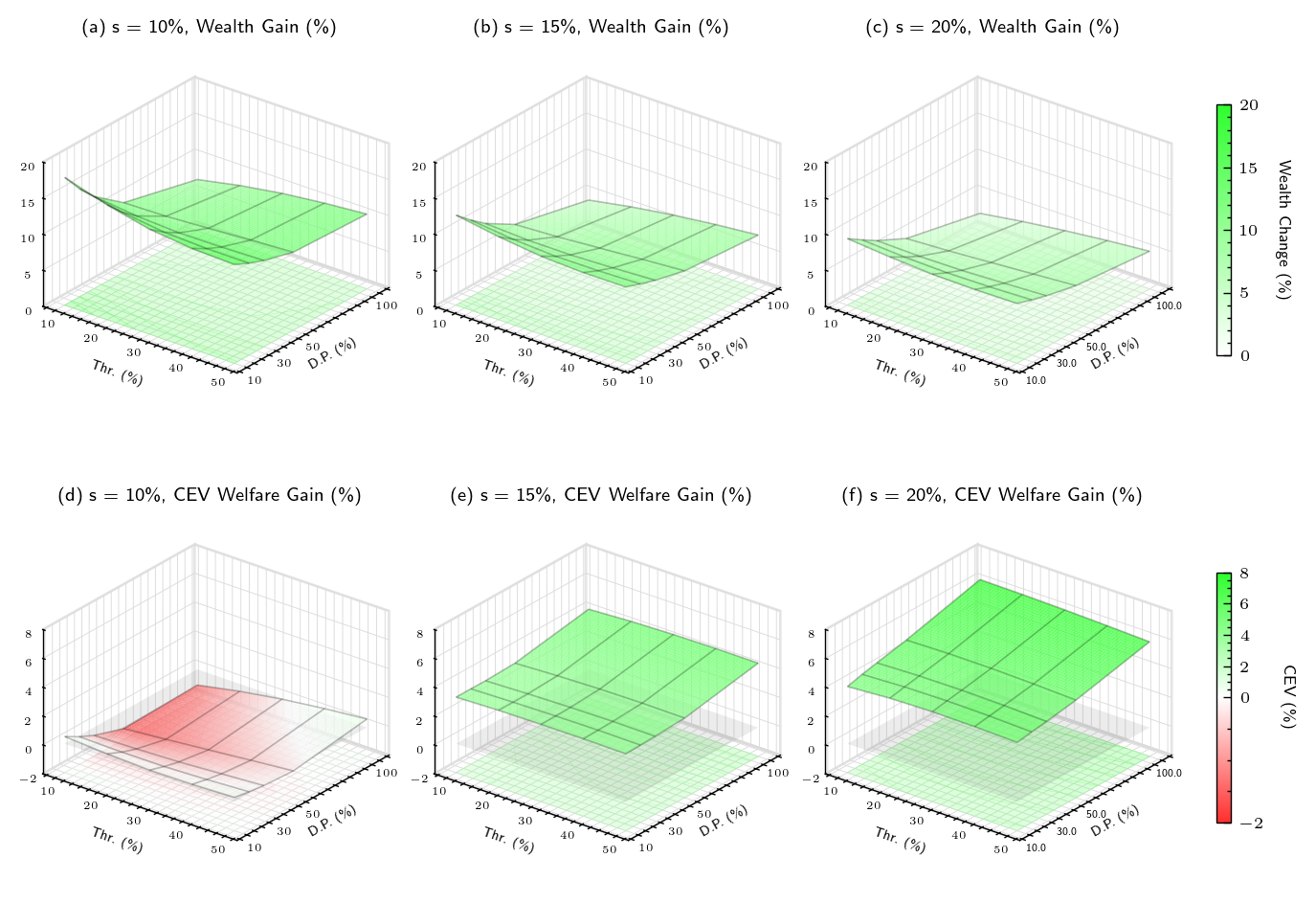
Optimal Life Cycle Homeownership Strategy
Household Age Profile over the Life Cycle

Should households buy their homes? Contrary to popular expert advice, our block-bootstrap life-cycle simulation provides an affirmative answer. Homeownership generates wealth and welfare gains relative to rent-for-life benchmarks that invest only in financial assets. It lowers household portfolio downside risk and improves retirement consumption and bequest outcomes. The gains reflect risk aversion, intertemporal substitution, leverage-induced trade-offs between consumption and the timing of home purchases, and the liquidity costs of homeownership. Their magnitude varies across labor income profiles, house price environments, and mortgage rates. Our findings suggest that homeownership can build wealth more effectively than common portfolio strategies, including all-equity portfolios.

Working Paper2023

The Role of Growth Strategies in Acquisitions
with Fred Bereskin, Micah Officer, and Jing Wang

Skill Demand Similarity for Actual Deals and Pseudo Deals
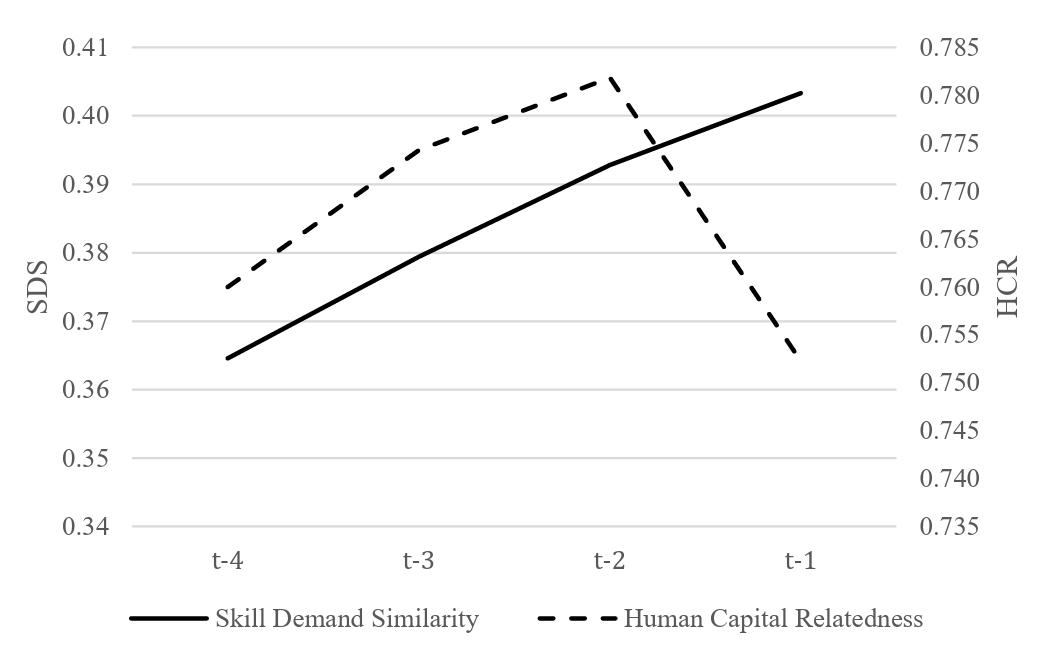
Skill Demand Similarity and Human Capital Relatedness

Using labor skill demand disclosed in job postings as a proxy for firms' growth strategies, we find that similar growth strategies increase the likelihood of two firms merging. In particular, a firm is more likely to become a target as its labor skill demand becomes more similar to that of its potential acquirer. Similar growth strategies ameliorate post-merger integration challenges in facilitating merger deals. Following the merger, the combined firm continues hiring the same skills, consistent with the growth strategy persisting. These types of mergers experience more synergies and superior operating performance.